RB Architect Designing Spaces That Inspire and Endure

RB Architect

Designing Spaces That Inspire and Endure

Latest Articles

What the Lobby Tells You Before Anyone Does: Space as Organizational Truth
Design Philosophy

What the Lobby Tells You Before Anyone Does: Space as Organizational Truth

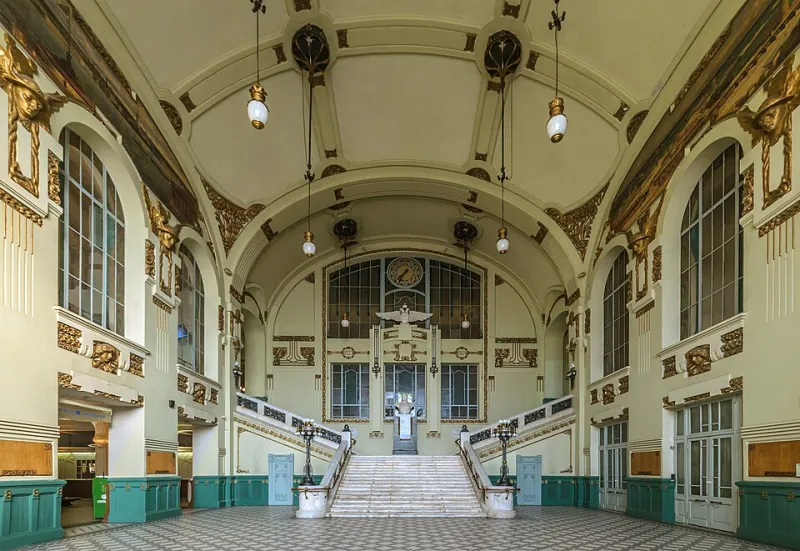
A corporate lobby is never just a waiting area. It is an unscripted declaration of what an organization believes about itself, its people, and the individuals who enter seeking something from it. Understanding how these transitional spaces communicate — and where they fall short — is essential to designing with genuine intent.

Going Up: What the Path Between Floors Reveals About a Building's Soul
Design Philosophy

Going Up: What the Path Between Floors Reveals About a Building's Soul

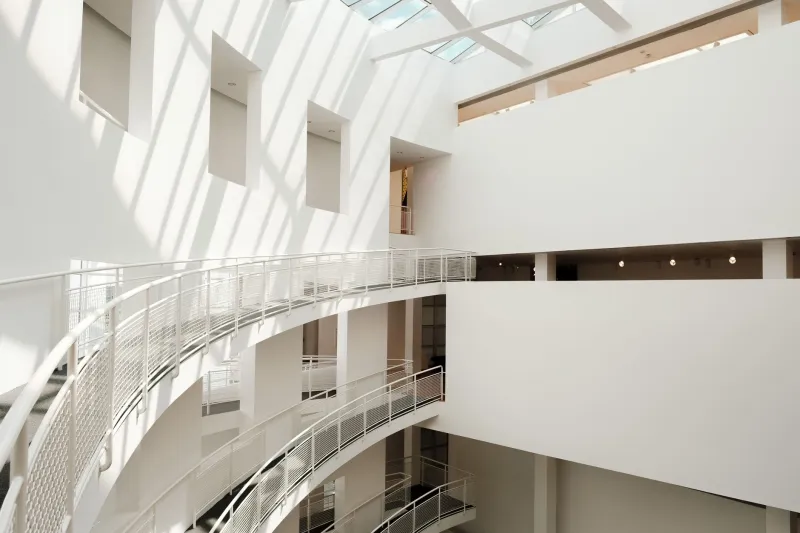
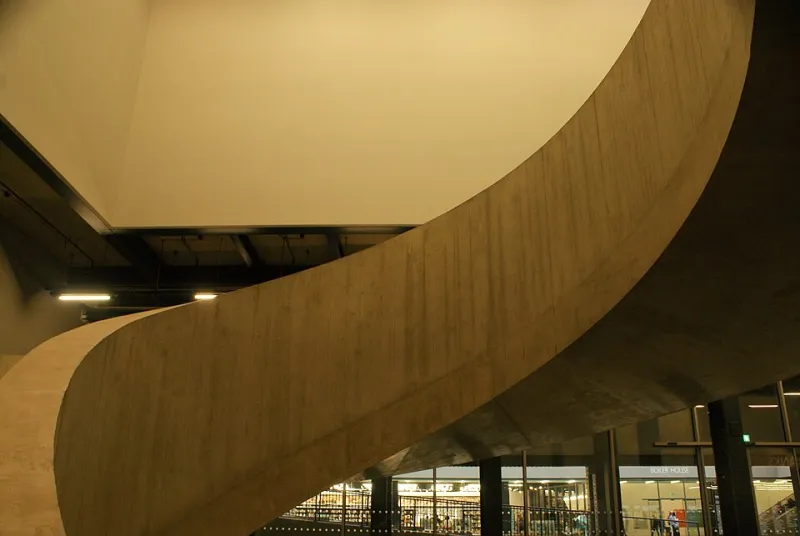
The decision of where to place a staircase—and how to treat it architecturally—is one of the most consequential choices a designer makes. Far from a code-compliance afterthought, vertical circulation shapes how people encounter one another, how culture forms within a building, and whether a space feels alive or merely functional. At RB Architect, we treat the path between floors as one of the most revealing statements a building can make.

The Architecture You Stop Noticing: Invisible Design and the Buildings We Actually Love
Trends & Innovation

The Architecture You Stop Noticing: Invisible Design and the Buildings We Actually Love

The finest architecture has a curious habit of disappearing. Spaces that function beautifully, that support the lives unfolding within them, often go unacknowledged by the very people they serve—while a poorly placed column or an awkward threshold generates daily frustration for years. This piece examines the psychology of architectural perception, and asks whether designers have an obligation not just to build well, but to build in ways that invite conscious appreciation.

Adaptability Is Not a Strategy: The Case Against Designing for Everything
Trends & Innovation

Adaptability Is Not a Strategy: The Case Against Designing for Everything

The architecture industry has spent decades championing adaptable, multipurpose spaces as the gold standard of forward-thinking design—but mounting evidence suggests that spaces designed for everything often serve nothing particularly well. This piece challenges the reflexive pursuit of maximum flexibility, arguing instead that the buildings people love most, and use longest, are those designed with deliberate specificity and a clear understanding of human ritual. The most durable buildings are

Before You Cross the Threshold: The Architecture of Arrival
Design Philosophy

Before You Cross the Threshold: The Architecture of Arrival

The most consequential moments in any building's experience often happen before a visitor settles in—during the transitional sequence from street to interior. Thoughtful architects treat arrival not as a logistical formality but as a carefully orchestrated narrative, using materiality, compression, light, and scale to prime how every subsequent space is perceived. Understanding the threshold effect reveals why entry design deserves far more attention than most clients initially anticipate.

Designing with Daylight: Why Natural Light Is a Building's Most Powerful System
Design Philosophy

Designing with Daylight: Why Natural Light Is a Building's Most Powerful System

Natural light is often treated as an aesthetic amenity—a pleasant bonus that distinguishes a well-designed building from a merely functional one. In rigorous architectural practice, however, daylighting is a performance system as consequential as mechanical engineering or structural design, with measurable effects on energy consumption, occupant health, and the long-term value of a building. Understanding how light moves through a structure is among the most demanding and rewarding disciplines i

The Office That Works for No One: Rethinking Commercial Space in the Age of Hybrid Work
Trends & Innovation

The Office That Works for No One: Rethinking Commercial Space in the Age of Hybrid Work

Open-plan offices were once celebrated as engines of collaboration and creativity. For hybrid and remote-first organizations, however, they have become costly liabilities that undermine the very productivity they promised to generate. Forward-thinking architectural firms are now designing a fundamentally different kind of workplace—one built around how people actually work, not how planners once hoped they would.

Building Forward: The Materials Redefining Durability and Design for the Next Generation
Design Philosophy

Building Forward: The Materials Redefining Durability and Design for the Next Generation

The materials an architect specifies are among the most consequential decisions in any project—shaping structural performance, environmental impact, aesthetic longevity, and lifecycle cost simultaneously. A new generation of materials is now moving from research contexts into mainstream practice, and understanding their potential is essential for any practice committed to building responsibly and well.

Trends & Innovation

Silence Is a Design Decision: The Rise of Intentional Acoustics in Commercial Spaces

Sound has long been treated as an inconvenience to be managed after the fact—a problem solved with ceiling tiles and carpet rather than addressed at the drawing board. That approach is changing rapidly, as leading architectural practices now treat acoustic quality as a foundational design driver, with measurable consequences for productivity, wellbeing, and the enduring value of a building.

From Concrete Canyons to Living Ecosystems: The Science of Nature-Infused Workplaces
Trends & Innovation

From Concrete Canyons to Living Ecosystems: The Science of Nature-Infused Workplaces

A growing body of evidence is compelling architects and corporate clients alike to reconsider what an office is fundamentally for. Far beyond aesthetic preference, the deliberate integration of natural elements into commercial environments is demonstrating measurable gains in employee well-being, focus, and organizational retention. RB Architect examines how this disciplined approach to design is transitioning from progressive experiment to industry standard.

Architecture's Long Game: The Principles That Separate Lasting Buildings from Dated Ones
Design Philosophy

Architecture's Long Game: The Principles That Separate Lasting Buildings from Dated Ones

Some buildings grow more compelling with each passing decade while others begin to feel exhausted within a few years of completion. The difference rarely comes down to budget or ambition — it comes down to a disciplined set of design principles that prioritize permanence over novelty. RB Architect offers a frank assessment of what architectural longevity actually requires, and why so many otherwise intelligent projects fail to achieve it.

America's Second Act: Why Adaptive Reuse Is the Most Exciting Design Movement of Our Time
Trends & Innovation

America's Second Act: Why Adaptive Reuse Is the Most Exciting Design Movement of Our Time

Across the United States, a quiet revolution is reshaping the built environment — not through demolition and new construction, but through the imaginative transformation of structures that history left behind. Adaptive reuse has moved from architectural curiosity to mainstream strategy, and the results are redefining what American cities can become. This is our take on why the movement matters, what it demands of designers, and where the most compelling opportunities lie in 2024.

Built to Last, Built to Feel: The Hidden Psychology Behind Enduring Architecture
Design Philosophy

Built to Last, Built to Feel: The Hidden Psychology Behind Enduring Architecture

The buildings we inhabit shape more than our daily routines — they quietly influence our emotional health, sense of identity, and connection to place. At RB Architect, we believe that designing for longevity and designing for human well-being are not separate pursuits, but two expressions of the same architectural conviction. Here, we examine the science and practice behind spaces that endure — and why those spaces tend to feel profoundly better to live and work in.